Dr. Liat Zilberstein,
Psy.D.
Psychologist
DrLiatZilberstein@gmail.com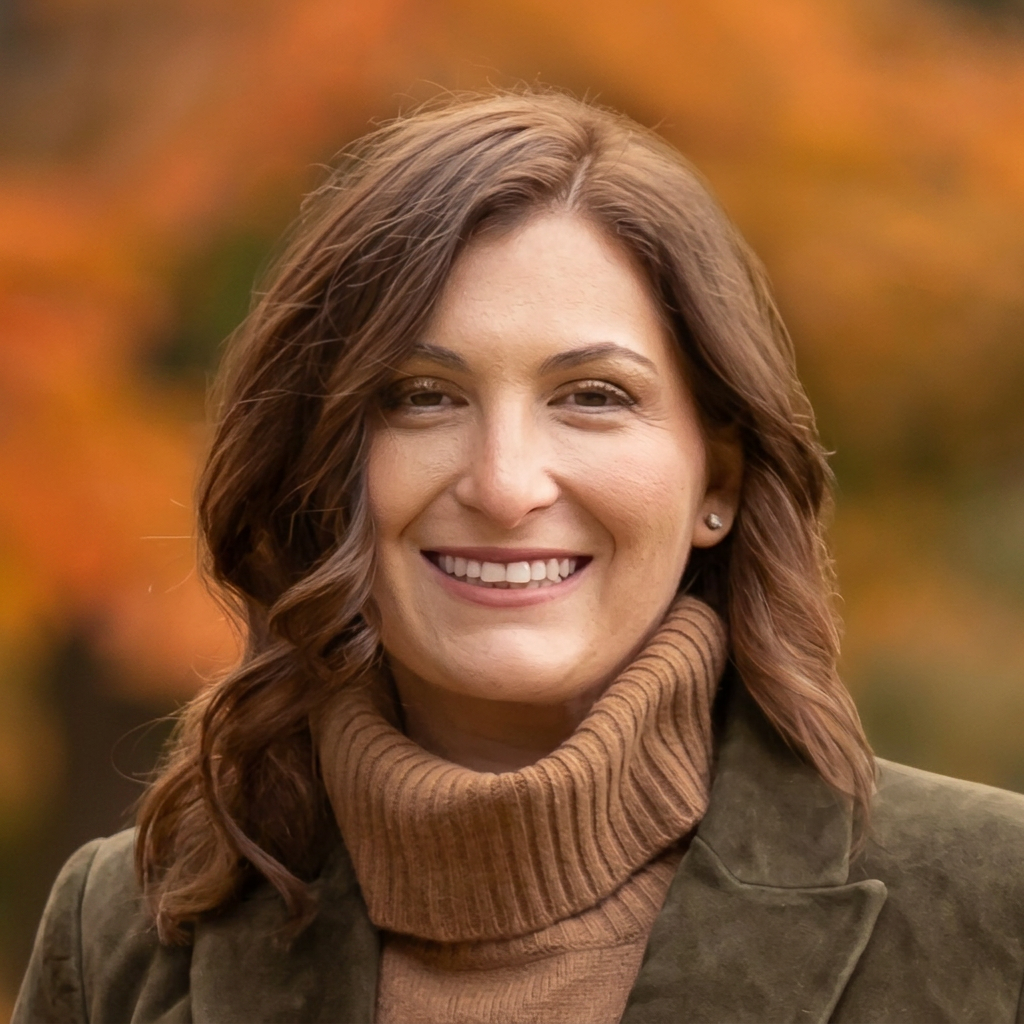

Evidence-based therapy for Anxiety, OCD, and Behavioral Challenges
Dr. Zilberstein works with children, teens, young adults, and the parents who support them, combining cognitive behavioral therapy (CBT) and exposure-based treatment with a warm, collaborative approach.


Areas of Focus
- Anxiety — Generalized, Social, Separation, Phobias, Panic
- Obsessive Compulsive Disorder (OCD)
- Perfectionism
- ADHD & Executive Functioning
- Everyday Parenting Struggles
- Aggressive & Oppositional Behaviors
- Self-Esteem & Mood
- OCD / Anxiety within the ASD Population
- Body Focused Repetitive Behaviors (skin picking and hair pulling)
- Avoidant Restrictive Food Intake Disorder (ARFID) and Picky Eating
- Diagnostic Consultation & Care Planning
- Educational Planning & School Support

Insurance
I am an out-of-network provider. I provide monthly superbills so that families can obtain the out-of-network benefits available to them through their insurance plan.
Sessions are available both in person in Hoboken and via telehealth.
If you have questions about coverage, fees, or scheduling, please reach out directly — I'm happy to walk you through it.
"Resilience is built by facing challenges, not avoiding them."

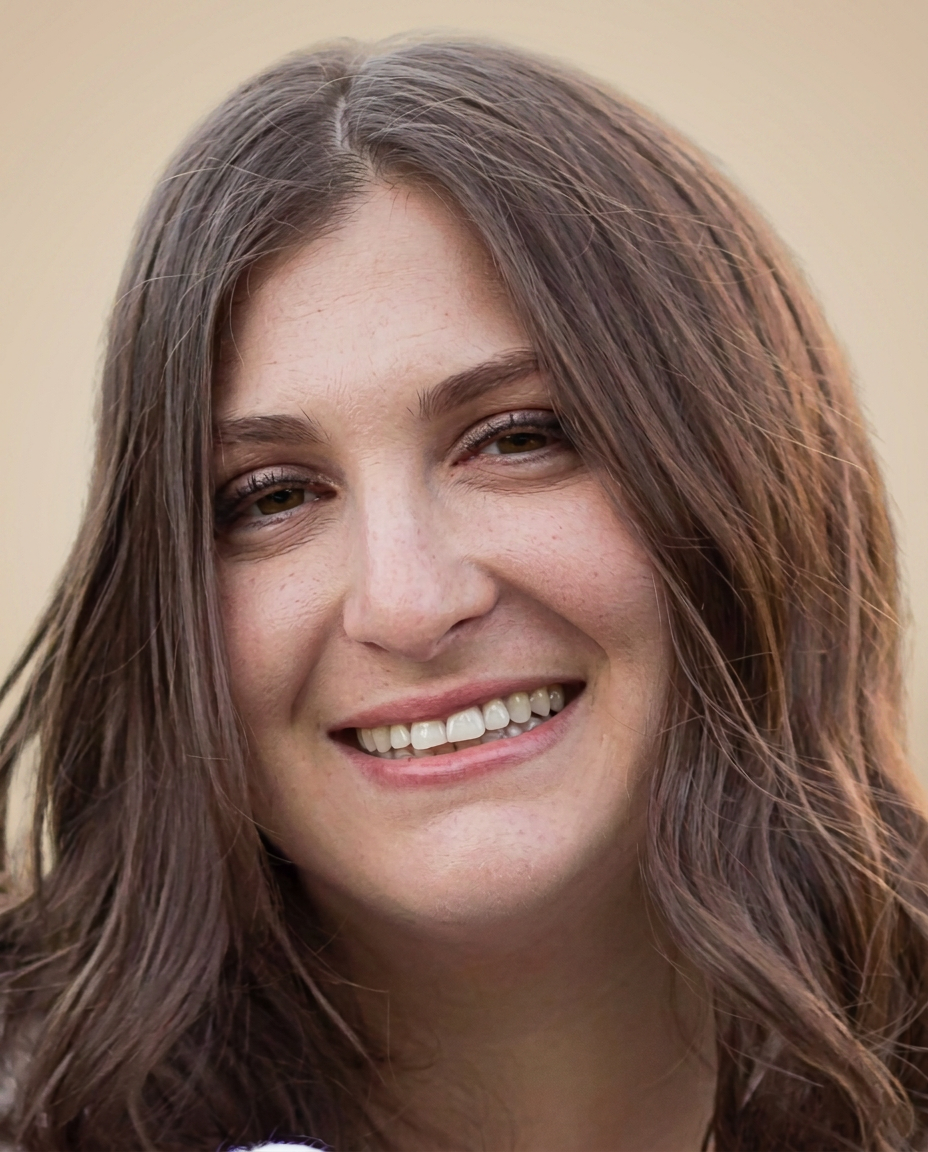
A little about me.
What matters most to me is creating a space where people can bring the thoughts, emotions, and experiences they are most afraid to face, and not have to face them alone. I believe that feeling deeply understood and accepted creates the foundation for facing difficult things and making meaningful change.
As a psychologist, I strive to be deeply attuned to what each person needs in the moment. Sometimes that means offering steadiness, hope, and compassion. Other times it means asking the hard question, challenging an unhelpful pattern, or encouraging someone to take a step they didn't believe they could. My role is not only to help people better understand themselves, but to help them build confidence in their ability to face uncertainty, overcome obstacles, and discover they are far more capable than they imagined.
I earned my doctoral degree from GSAPP at Rutgers University and have over 15 years of clinical experience. I take an integrative approach to therapy that combines evidence-based cognitive behavioral treatment with a flexible, relationship-centered approach. I also completed specialized predoctoral and postdoctoral training in pediatric neuropsychological assessment, which gives me an additional perspective on child development, learning, executive functioning, and neurodiversity. When helpful, I draw on this background to provide practical guidance around evaluations, educational accommodations, and school-based supports.
Whether I'm helping a young child, a parent, a teenager, or an adult, my goal is the same: to combine thoughtful, evidence-based care with an approach that is deeply responsive to the person in front of me.